
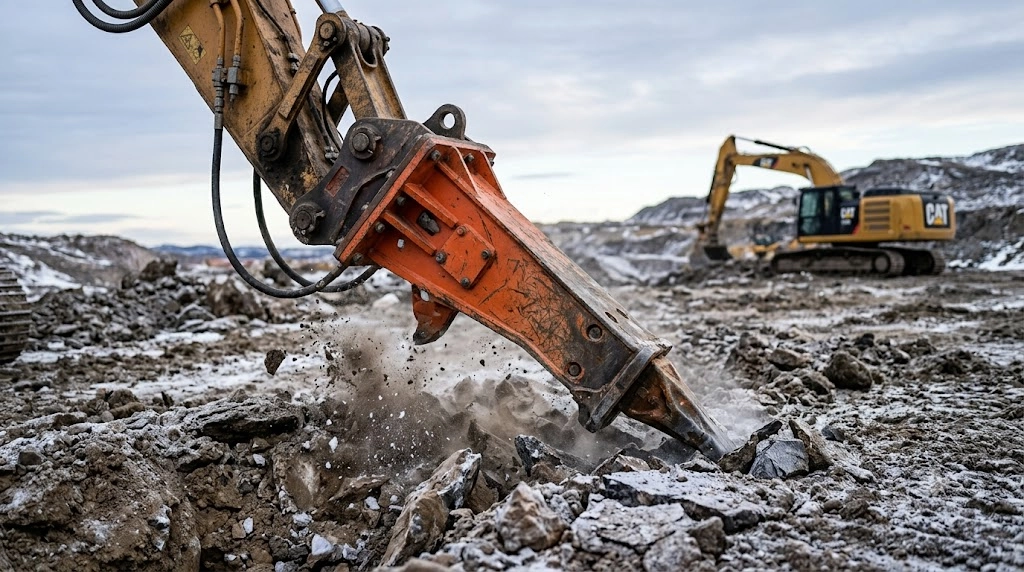
In the construction, mining, and pipeline industries, few challenges are as persistent and costly as dealing with hard, compacted, or frozen ground. Standard buckets often struggle, leading to excessive wear, slower cycle times, and increased fuel consumption. This is where the Excavator Ripper transforms from a simple attachment into a strategic productivity asset.
What is an Excavator Ripper?
An excavator ripper is a heavy-duty attachment designed to replace the standard bucket. Its primary function is to concentrate the full breakout force of the excavator into a single, sharp point. This focused energy allows the machine to fracture and loosen materials that would otherwise be impenetrable, such as:
- Rocky and compacted soils
- Frozen ground (permafrost)
- Reinforced asphalt and concrete
- Demolition debris and hardpan layers
Why Invest in a Ripper for Your Fleet?
For contractors and fleet managers, the decision to add a ripper is often driven by economics. Here is how a high-quality ripper pays for itself:
1. Dramatically Reduced Bucket Wear
Ripping hard materials with a bucket forces the cutting edges and teeth to absorb extreme shock loads. By using a ripper to break the ground first, you preserve the bucket’s integrity for its primary purpose: loading and carrying loose material. This can significantly extend the lifespan of your most expensive attachments.
2. Fuel Efficiency and Cycle Time
A machine struggling against hard ground consumes more fuel and operates slower. A ripper slices through the surface with less resistance, allowing the excavator to work at optimal RPMs. The result is faster site preparation and lower cost per ton of material moved.
3. Versatility Across Applications
Modern rippers are not just for mining. In urban construction, they are invaluable for breaking through old parking lot foundations or compacted fill. In pipeline projects, they are used to cut through rocky terrain to create safe trenches.
Key Engineering Features to Look For
Not all rippers are created equal. When sourcing a ripper for your excavator, pay close attention to these critical design elements:
High-Strength Wear-Resistant Steel
The extreme forces involved in ripping demand superior metallurgy. Look for shanks and mounting brackets manufactured from hardened steel that can withstand torsional stress and shock loads without deforming or cracking.
Interchangeable Tip Design
Ground conditions change, and so should your tool. Quality rippers offer replaceable, wear-resistant tips that can be swapped in the field. Common tip styles include:
- Standard Tip: For general purpose in compacted soil.
- Rock/Tiger Tip: Sharper and more pointed for maximum penetration in hard rock and frost.
- Wide Tip: For ripping in softer materials where you want to displace more volume.
The ability to change tips quickly minimizes downtime and adapts the machine to the job at hand.
Universal Mounting Compatibility
A well-designed ripper features a standardized pin-on or quick-coupler compatible interface. This ensures the attachment fits a wide range of excavator sizes without requiring custom modifications, making it a flexible addition to any rental fleet or contractor’s yard.
Making the Right Choice: Application Matching
The ideal ripper for a 1.5-ton mini-excavator working on a residential foundation will be significantly different from one designed for a 30-ton excavator in a quarry. When selecting a ripper, ensure the shank thickness and tip size are proportional to your machine’s operating weight and hydraulic flow. An undersized ripper will break; an oversized one will stall your machine.
Conclusion
The excavator ripper is an essential tool for any operation that routinely encounters difficult ground. It is an investment that protects your primary buckets, reduces fuel spend, and accelerates project timelines. By prioritizing heavy-duty construction, interchangeable tips, and proper machine matching, you can significantly enhance your excavator’s versatility and your bottom line.