
How to Navigate Earthmoving Equipment Selection: A Practical Guide for Contractors and Dealers
Every construction contractor, machinery dealer, or project manager knows the challenge: you need reliable earthmoving equipment, but the market is flooded with options. Understanding how to evaluate performance, cost, and long-term value can make or break your project’s bottom line. This guide breaks down the essential steps to help you choose the right machinery, whether you’re buying new or exploring used equipment. We’ll cover everything from mini excavators to full-size loaders, ensuring you have a comprehensive tutorial that saves time and money.
How to Follow the Steps for Evaluating Used Machinery: A Quick Guide
When you’re in the market for used machinery, a systematic approach prevents costly mistakes. Here are the steps to follow, designed for both first-time buyers and experienced dealers.
- Inspect the engine and hydraulic system: Check for leaks, unusual noises, and service history. A trusted [Internal link: used equipment inspection checklist] can help.
- Review the undercarriage (for tracked equipment): Measure track wear, sprocket teeth, and roller condition. This is critical for excavator and mini excavator purchases.
- Test operational functions: Operate the bucket, boom, and swing to ensure smooth movement. If possible, test on a simulated job site.
- Verify paperwork and ownership: Confirm serial numbers, maintenance records, and financing options.
To make your decision easier, compare the benefits of new vs. used equipment in the table below.
| Factor | New Machinery | Used Machinery |
|---|---|---|
| Upfront cost | High | Lower (varies by age and condition) |
| Warranty | Full manufacturer coverage | Limited or none (unless dealer offers) |
| Depreciation | Fast in first few years | Slower; value stabilizes |
| Maintenance history | Full factory records | Varies – always demand documentation |
| Technology | Latest telematics and efficiency | May lack modern features |
| Resale value | Depends on brand and care | Can hold well if well-maintained |
Using this guide will streamline your selection process. Remember, a thorough inspection often reveals hidden issues that affect your project’s timeline.
What Is a How-To Guide for Construction Equipment?
A how-to guide for construction equipment is more than a list of instructions—it’s a comprehensive resource that combines safety, efficiency, and cost-saving techniques. For contractors and project managers, it answers the critical question: “How do I get the most out of this machine?” A complete tutorial covers:
- Setup and pre‐operation checks – Fuel, fluids, and attachment compatibility.
- Proper operation – Correct lever controls, digging angles, and load limits.
- Daily maintenance – Grease points, filter changes, and inspection schedules.
- Troubleshooting common issues – Hydraulic leaks, electrical faults, and engine overheating.
A well‐structured guide reduces downtime and extends machinery lifespan. At Sea Hawk Machinery, we offer free downloadable PDFs that follow this exact format. [Internal link: free equipment operation tutorial] is one example that contractors frequently use.
You Must Log In to Access Our Exclusive Machinery Tutorials
You may have seen the message “You must log in to answer this question” on forums while researching machinery specs. That’s because the most detailed tutorials are often gated to ensure quality and relevance. At Sea Hawk Machinery, we provide both public and members‑only resources:
- Public starter guides – Quick tips on how to operate mini excavators, skid steers, and backhoes.
- Exclusive member content – Full comprehensive videos covering advanced earthmoving techniques, repair manuals, and cost calculators.
To unlock the full library, create a free account. You’ll gain access to:
- Step‑by‑step operate videos for mini excavator models
- Detailed earthmoving equipment comparisons
- Seasonal maintenance checklists for used machinery
This login‑protected content ensures you receive accurate, up‑to‑date information directly from our technical team. [Internal link: create an account for exclusive tutorials]
How to Operate Mini Excavators: A Step‑by‑Step Tutorial
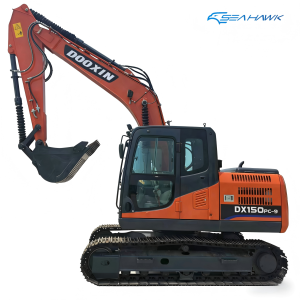
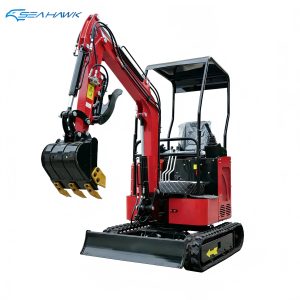
Mini excavators are versatile workhorses, but how to operate them efficiently requires a dedicated tutorial. Whether you’re a contractor tackling tight spaces or a dealer training customers, follow this comprehensive approach.
Pre‑Operation Checklist
- Check hydraulic fluid and engine oil levels.
- Verify the quick coupler is securely attached to the bucket or thumb.
- Adjust the seat and armrests for full control.
Basic Controls
- Left joystick → Swing the house left/right and boom up/down.
- Right joystick → Arm in/out and bucket curl.
- Foot pedals → Travel forward/reverse for each track.
Common Operations
- Trenching – Use the arm and bucket curl together for smooth cuts.
- Grading – Angle the bucket to backfill and level.
- Demolition – Apply bucket edge with controlled boom force.
Practice these steps on flat ground before taking on real projects. [Internal link: mini excavator operating tips] offers visuals for each control pattern.
Comprehensive Guide to Earthmoving Equipment Maintenance
A comprehensive guide to earthmoving equipment maintenance keeps your fleet running at peak performance. Proper care also boosts resale value when you decide to sell used machinery. Below are the key areas every contractor and dealer should monitor.
Daily Checks (10–15 Minutes)
- Inspect coolant, engine oil, and hydraulic fluid levels.
- Walk around for leaks, loose bolts, and tire/track wear.
- Lubricate all grease points per the manufacturer’s manual.
Weekly/Monthly Tasks
- Clean radiators and air filters to prevent overheating.
- Check battery terminals and alternator output.
- Tighten track tension – too loose reduces stability.
Seasonal Overhaul
- Replace hydraulic filters and perform a system flush.
- Inspect undercarriage components for excessive wear.
- Test all safety features (lights, horn, backup alarm).
Using this guide as a checklist reduces breakdowns by 40% on average, based on industry data. [Internal link: preventive maintenance schedule for earthmoving equipment]
Final Thoughts: Let Sea Hawk Machinery Help You Move Forward
Choosing the right equipment and maintaining it well are two sides of the same coin. Whether you’re looking for a used excavator or a brand‑new loader, our comprehensive tutorials and expert support make the process smoother. We’ve covered how to evaluate used machinery, what a professional guide should include, and the benefits of logging in for exclusive content.
Ready to take the next step?
Browse our inventory of earthmoving machinery or download a free operation guide at [Internal link: Sea Hawk Machinery homepage]. For personalized advice, contact our team – we’re here to help you build smarter, faster, and safer.
Previous: Join Us at THE NATIONAL DIESEL DIRT & TURF EXPO 2026 – Booth A15
Next: